
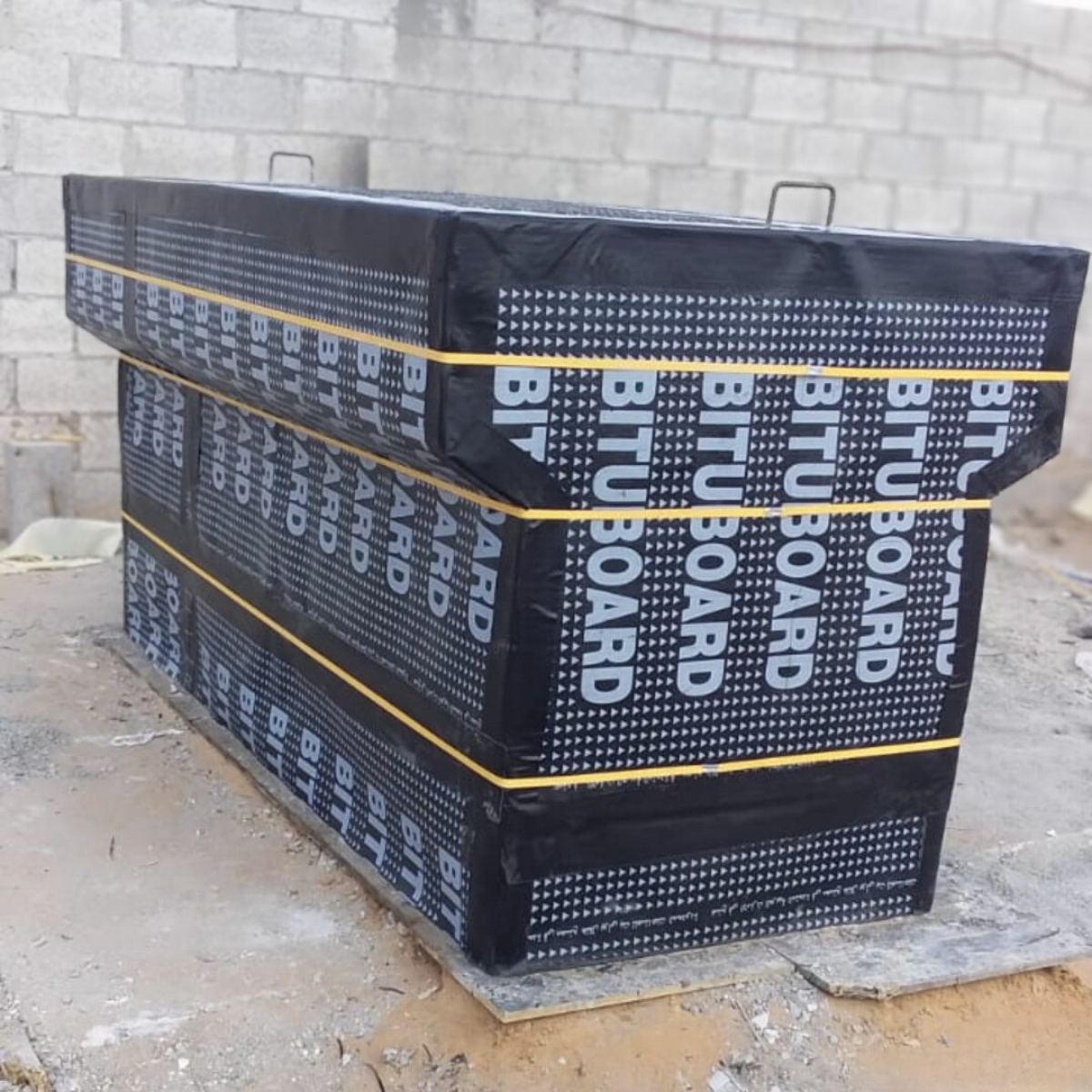
In the ever-changing and dynamic environment of the United Arab Emirates, the foundation of an uninterrupted connection to the world lies hidden in the underground infrastructure of the nation. As Dubai, Abu Dhabi, and Sharjah are at the forefront of implementing cutting-edge and intelligent infrastructure, the need for an uninterrupted and robust telecom infrastructure has never been more acute. The cornerstone of this infrastructure lies in the specially designed and sophisticated systems that house the fiber optic and copper cables of the nation. The Etisalat Manhole Details are not merely an essential element but a regulatory imperative for any developer and contractor working within the jurisdiction of the nation.
These underground infrastructure systems are the crucial junctures of the underground cable network and are responsible for housing the high-speed data that keeps the nation connected and uninterrupted. As the functionality of the infrastructure lies in these systems, the Etisalat Specification for Civil Works is notoriously strict and requires precision in every phase of execution. This guide offers an in-depth and exhaustive overview of the standards that define the very essence of telecom infrastructure UAE.
Understanding Etisalat Manhole System in Telecom Infrastructure
The concept of a telecom manhole is not merely a concrete box. It is a critical point in a telecom underground chamber system. In a country like the UAE, where climatic conditions are extreme and land is scarce, these telecom manholes are used as a primary point to route, connect, and pull cables over vast distances. The underground cable network plays a critical role in today’s digital society.
It carries everything from home internet to critical business data. In UAE telecom projects, the significance of these networks can never be overemphasized. In the absence of a standardized telecom manhole system, road excavations would be a regular phenomenon. Telecom manholes serve as essential access points within these networks. Their role is as follows:
- Cable Protection: Protection of fiber optic cables against soil pressure, soil moisture, and chemical shifting.
- Maintenance Access: Allowing maintenance personnel to access these networks without any destruction to road surfaces.
- Network Expansion Support: Additional space to be created to support future fiber optic duct systems.
Etisalat Manhole Details and Standard Design
Technical perfection is a hallmark of any Etisalat approved project. Every telecom manhole must be manufactured to support the specific load-bearing needs of UAEs infrastructure.
Etisalat Manhole Dimensions
The typical size of a manhole varies depending on the number of ducts entering the unit. Standard types such as the J2 or MR2 have specific depth requirements to ensure that they are placed below the line of heat and moisture. The access opening is strictly regulated to ensure that both equipment and personnel can be safely accessed while maintaining the structural integrity of the surrounding road or pavement.
Manhole Structural Components
Each unit is comprised of a number of critical components:
- Concrete Base Slab: A reinforced component to prevent the manhole from sinking or tilting.
- Side Walls: Engineered to prevent side pressure from the surrounding soil.
- Duct Entries: Pre-formed holes or knock-outs for telecom duct installation UAE.
- Cover and Frame: Heavy-duty materials such as cast iron and composites to withstand specific traffic loads.
- Cable Brackets: Hardware used to organize and hold cables on the walls.
Materials Used in Etisalat Manholes
For a product to last for decades, only the highest grade of materials must be used:
- Reinforced Concrete: High-grade concrete (C40/50) to prevent cracking.
- Heavy Duty Covers: Traffic loads must be able to withstand Class D400 and above.
- Corrosion Resistant Materials: Specialized materials to combat the high salinity levels of UAE soil.
Etisalat Specification for Civil Works
For civil contractors, it is a matter of approval or rework when it comes to complying with the Etisalat Specification for Civil Works. These guidelines ensure that the entire telecom duct installation UAE is standardized throughout the Emirates.The major guidelines that these specifications are based on include:
- Excavation Standards: The precision required in trenching to avoid any existing utility.
- Duct Installation: The spacing and alignment of PVC/HDPE pipes.
- Concrete Strength: The verification of mix designs for all precast telecom manholes.
- Inspection Procedures: Mandatory inspections at each stage of progress by authorized inspectors.
Safety Regulations: All civil works must follow strict worker safety procedures, excavation protection, and site safety guidelines during telecom infrastructure installation.
Excavation Requirements
The excavation must be done to a strict trench depth to ensure a minimum cover above all ducts. The soil compaction must be to 95% MDD to avoid any settlement in the future. Adequate safety clearance must be maintained from water pipelines and power lines.
Concrete and Reinforcement Standards
The concrete grade used in precast telecom units must be in accordance with the sulfate-resisting cement requirement. The reinforcement steel used must be epoxy coated to prevent rust and thereby satisfy the durability requirements even in coastal regions.
Duct and Cable Entry Specifications
Proper duct spacing is critical to avoid heat buildup and ensure easy cable pulling. Sealing methods are also used to ensure that the underground telecom chambers are always dry and free from debris.
Installation Process of Etisalat Manholes
A structured step-by-step installation process ensures compliance with Etisalat civil standards and improves project efficiency:
- Site survey and marking: Determining the site coordinates and avoiding existing utilities.
- Excavation work: Digging the pit according to the footprint of the specific type of manhole.
- Base preparation: Laying and compacting a layer of gravel or lean concrete to provide a level base.
- Manhole installation: Placing the precast unit into the excavation using heavy lifting equipment.
- Duct connection: Connecting the manhole to the larger fiber optic duct system.
- Backfilling and compaction: Filling the voids using approved material in layers.
- Final inspection: Ensuring the cover is flush with the ground and hardware is secure.
Common Types of Etisalat Telecom Manholes
- Standard telecom manholes: Large manholes used in major junctions.
- Inspection chambers: These are small manholes used for inspection on shorter lengths.
- Jointing chambers: These manholes are specially designed, providing more space for splicing fiber optic cables.
- Cable pulling chambers: These manholes are placed at specific intervals for the mechanical pulling of long lengths of cables.
Key Safety and Quality Standards in Etisalat Civil Works
Safety is paramount in construction. Worker safety regulations such as proper shoring and gas testing for confined space entry are non-negotiable. In addition, regulations such as load bearing ensure that a manhole in a parking lot will not collapse if a heavy vehicle passes over it. Waterproofing is also important since expensive electronic equipment is used in manholes. All this must pass inspection approvals before being integrated into the live network.
Real Example of Etisalat Telecom Infrastructure Project
Assume that we have recently completed a telecom infrastructure project in Dubai residential areas like Dubai Hills or Arabian Ranches. In this project, thousands of precast telecom manholes and miles of duct banks have been installed in compliance with Etisalat civil standards to connect fiber optics.
Best Practices for Telecom Manhole Construction
- Use certified precast: Ensure that you use only certified precast materials.
- Comply with telecom authority: Ensure that you are updated with the latest telecom authority guidelines, like Etisalat.
- Proper drainage: Ensure that the telecommunication manholes are not installed in low-lying areas.
- Conduct quality control: Conduct internal audits before the inspection by Etisalat.
Why Following Etisalat Civil Work Specifications is Important
Why is it important to follow the specifications of Etisalat civil work? This will ensure that the network will be reliable, avoiding outages due to crushed ducts or water damage. This will also ensure safety compliance for the public. Most importantly, it will allow us to obtain telecom authority approvals for the completion of the project.
FAQs
What are Etisalat manhole details?
They are the details of the technical drawings, the quality of the materials, and the internal details of the manhole to be included for it to be accepted into the Etisalat network.
What is the standard size of an Etisalat telecom manhole?
The standard size varies depending on the manhole type, such as J2 and MR2, but it is designed based on the volume of cable traffic and depth of the duct network.
What are Etisalat civil work specifications?
They are a list of rules that are mandatory for all telecom-related civil works to be carried out within the UAE.
Why are telecom manholes important in underground networks?
They are important as they provide necessary access to cables without affecting the surface environment.
What are the materials used to make Etisalat manholes?
The materials used are of high strength reinforced concrete, sulfate-resistant cement, and heavy-duty cast iron/composite covers.